Author

Diane

Browsing

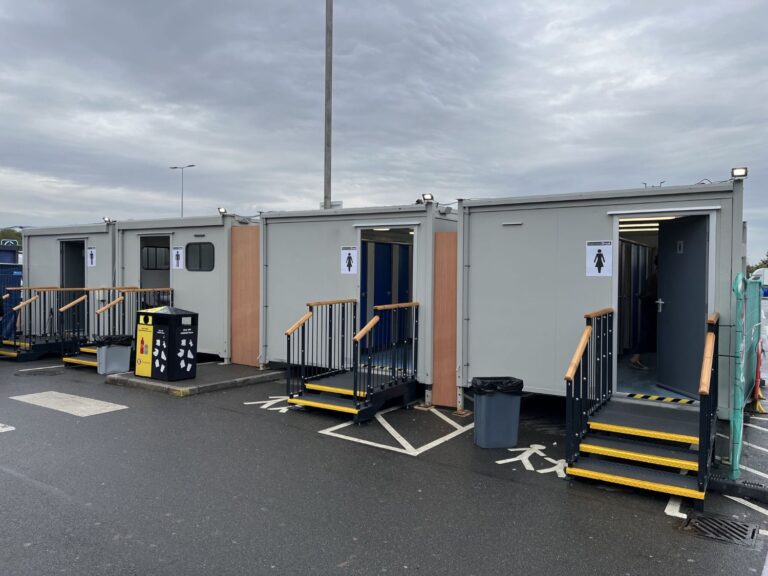
Heatrak Technical Services was appointed to support a major refurbishment at the northbound Leicester Forest East Services on the M1, providing temporary facilities for ten weeks. Modular WC blocks with 12 toilets were installed to maintain customer access.

With no excavation permitted and pipework required above ground, wastewater needed to be pumped over 15m to the nearest drainage point. Heatrak turned to Saniflo for a solution.

Following a site survey and flow calculations, a three-phase Sanicubic 2 VX lifting station was specified. Installed behind the temporary units, the system collected waste from all blocks and discharged it via 4” pipework to the mains.

Featuring twin vortex pumps to prevent clogging and ensure reliability, the above-ground unit was quick to install and operated seamlessly throughout the project.

Designed for high-demand environments, the Sanicubic 2 VX delivers efficient wastewater management where gravity drainage isn’t possible.

There is no doubt that whether you are creating a full wet room or a wet shower area, they offer the illusion of more space in the room. As the majority of British bathrooms tend to be small, wet rooms are a great solution. However, the most important part of a wet room is hidden from view, and it is imperative to select a system that is easy to install and that you are confident will provide a waterproof solution for many years.

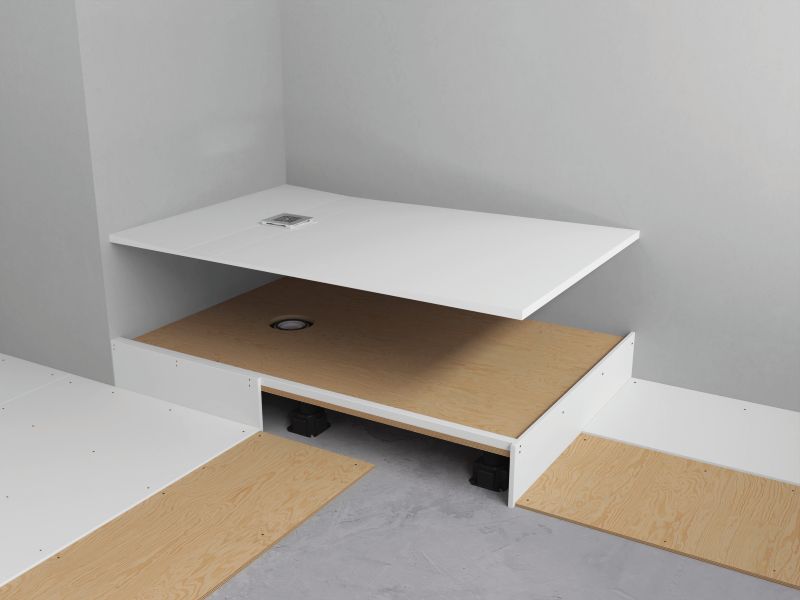
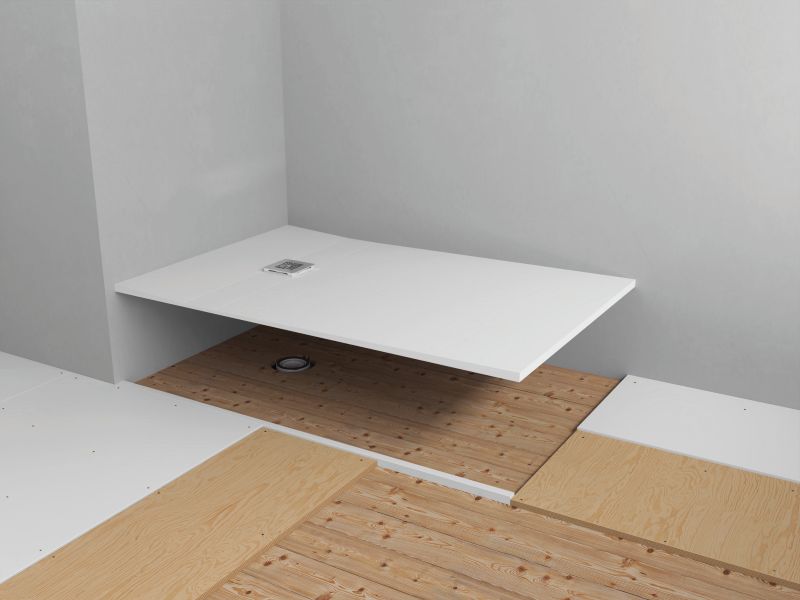
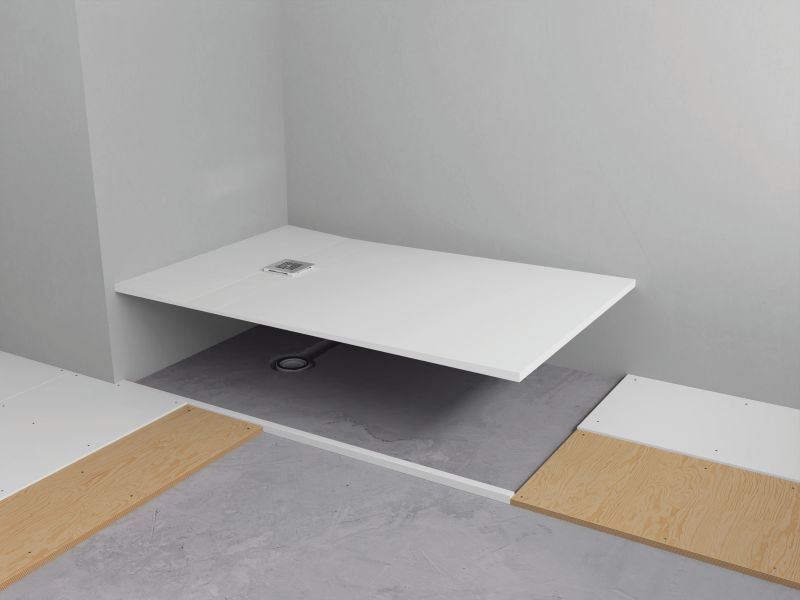
In Aqua4Ma from Kudos, the unique system doesn’t require tanking prior to installation; the old-style membranes have been replaced with CNC-machined panels of extruded PVC, a material that’s totally waterproof and really quick to install. These panels come in different sizes and thicknesses (to help create structural features like seating and shelving) and with shower decks offering centre or end waste options. They can be cut to size and fitted directly to wooden or solid floors or to a raised plinth as required. With Aqua4Ma Evolution, the joints are solvent-welded together with a solvent paste to provide a one-piece permanent waterproof barrier that’s guaranteed for life. And their decks can be used on their own within a showering area, or they can be coupled with floor, skirting and wall panels to provide totally watertight room protection. They are also suitable to be used with underfloor heating.

One of the key features of the Aqua4Ma Evolution wet-room system is that it is suitable for immediate finishing with tiles, vinyl or micro-cement. The closed cell extruded PVC panels with solvent welding joints allow fitting and tiling within the day. The robust panels also allow tiles to be removed and replaced without compromising the waterproof integrity of the system. It negates the need for a membrane, and that really speeds up the installation process.

01539 564040 | kudosshowers.co.uk

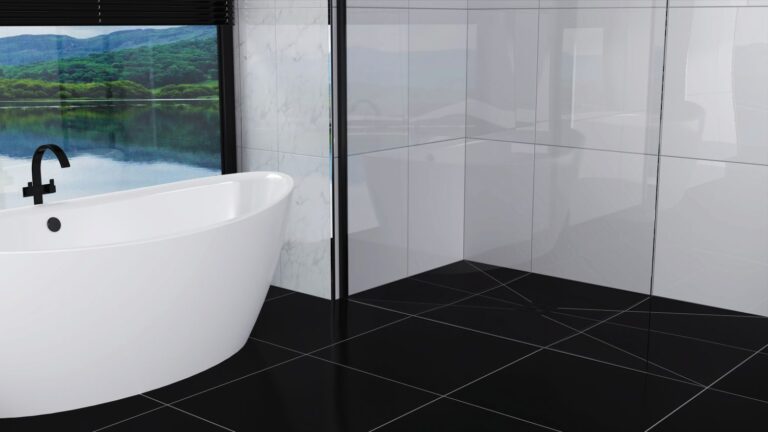
Pictured left to right:

Aqua4ma Evolution concrete plinths

Aqua4ma Evolution floorboards

Aqua4ma Evolution concrete grey

Creating a bathroom that feels both stylish and personal has never been easier thanks to Kinedo’s latest product range. The new Solo Design + walk-in shower range brings together sleek design, customisation, and everyday practicality – perfect for modern living.

One of the key advantages of a walk-in shower is its effortless accessibility. With a low or level entry, it’s easier and safer to use than traditional enclosures or baths, making it a smart choice for a wide range of households. The open design also helps create a greater sense of space, allowing even smaller bathrooms to feel lighter, larger, and less cluttered.

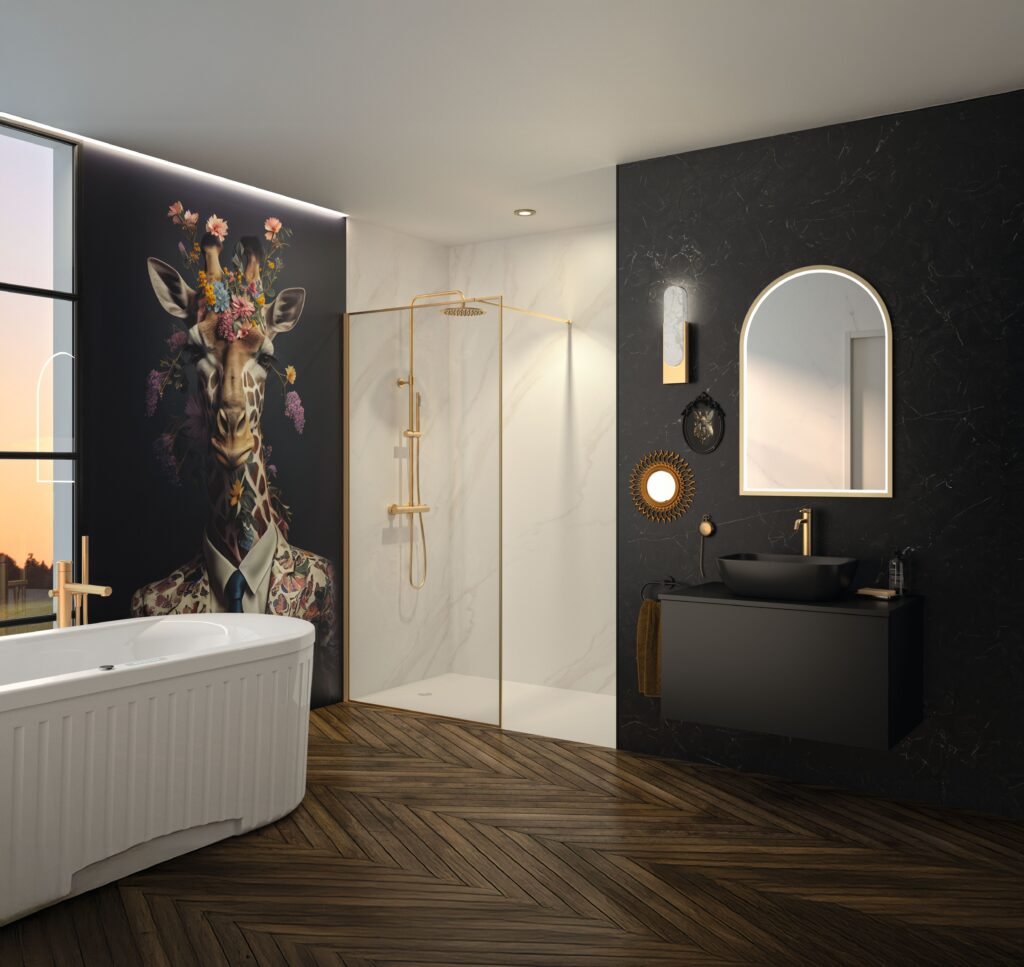
At the heart of the collection is a beautifully minimalist single-panel design, framed in a slim aluminium profile. Available in five contemporary finishes – white, black, brushed graphite, brushed stainless steel, and brushed gold – each option is paired with a coordinating reinforcement bar for a seamless, high-end look. This clean, modern style is one of the reasons walk-in showers have become such a popular choice in today’s bathroom designs.

Solo-Design-gold-Giraffe-Kinewall-

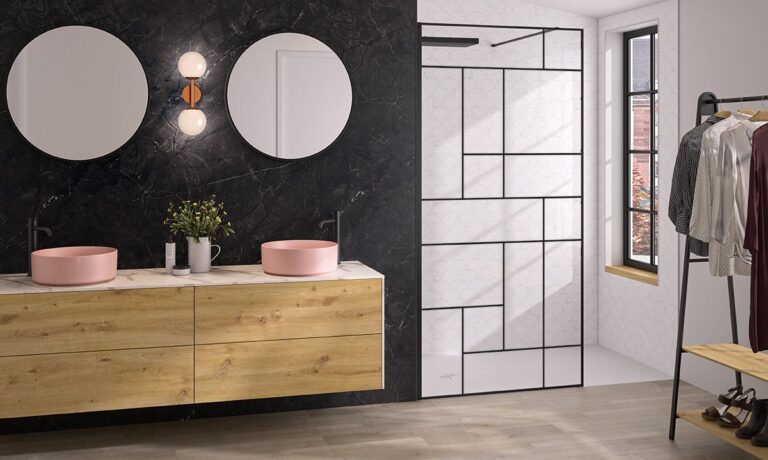
Another standout feature of the new range is the level of customisation available. With six distinctive glass styles available, depending on the panel chosen, the walk-in can become a real design feature within the space. For added privacy, in open-plan or bedroom-bathroom layouts for example, frosted options like Cosmos and Weave offer subtle screening without sacrificing light. Meanwhile, bolder designs are making a comeback: the gold Art Deco pattern adds a touch of glamour whilst its Art Deco counterpart fluted glass design offers a nostalgic nod to a bygone era. The Mondrian-style black grid glass suits industrial style bathrooms. This flexibility makes it easy to tailor the space to suit both practical needs and personal style.

Beyond aesthetics, walk-in showers are easier to clean and maintain. With fewer moving parts and a more open structure, keeping the space looking its best requires less effort. The Solo Design + range enhances this further with anti-limescale treated glass panels, helping to reduce build-up and cleaning time. Designed for versatility, the panels can be installed with either wet room flooring or a shower tray, and offer reversible left- or right-hand fitting to suit different layouts.

As part of Kinedo’s wider bathroom offering, the range pairs effortlessly with Kinewall panels and shower trays, making it simple to create a fully coordinated space from a single brand.

Whether it’s a renovation project or a brand-new bathroom, the Solo Design + range from Kinedo combines the practical benefits of a walk-in shower with a luxurious, design-led finish.

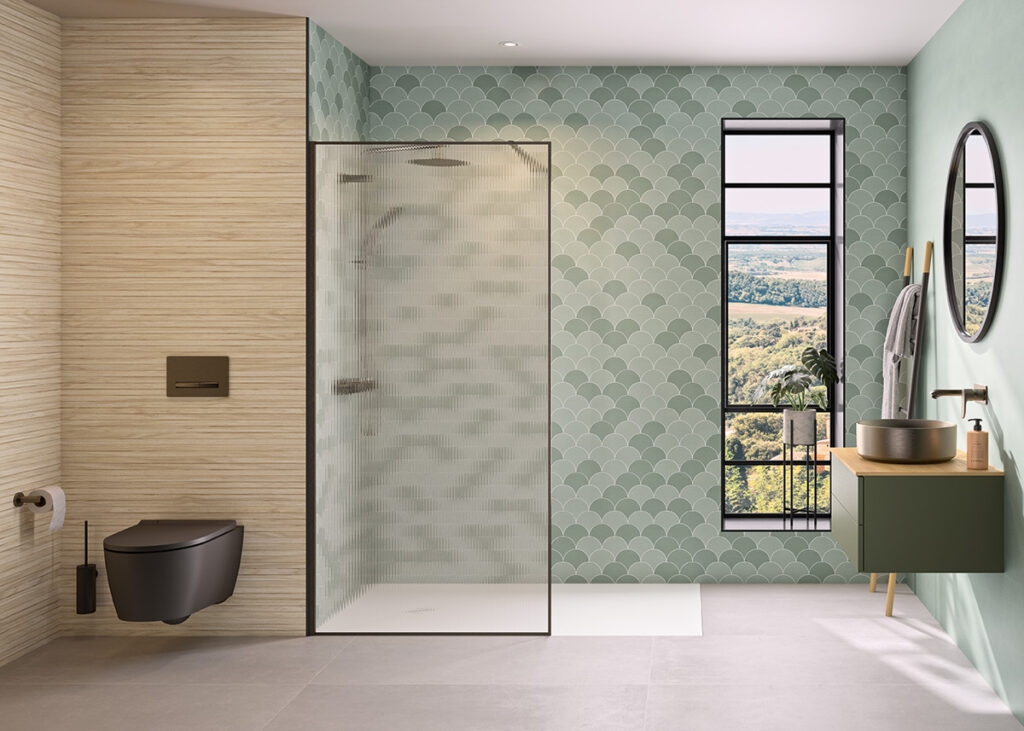
solo-design-plus-gfte

Villeroy & Boch has announced a significant reshaping of its senior leadership, marking a new strategic chapter for the German bathroom and lifestyle brand as it moves to a leaner, more collegial management structure.

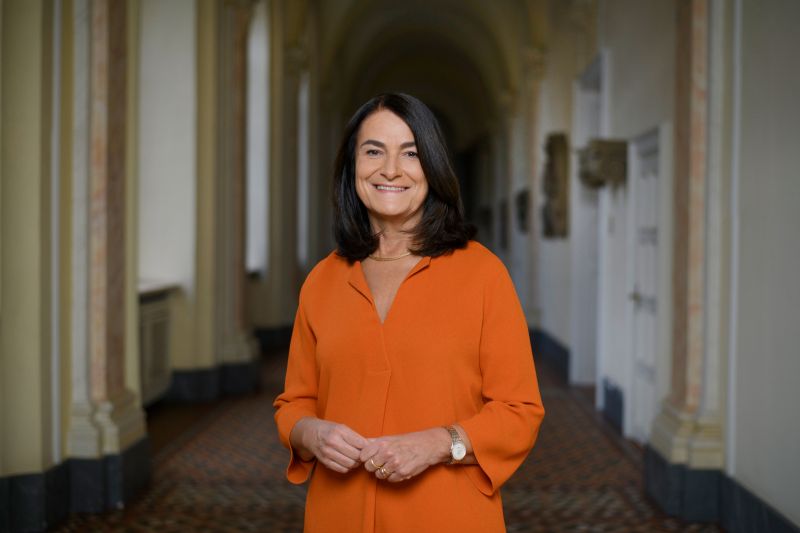
The reshuffle follows the departure of Gabi Schupp, who served as chairwoman of the executive board since 2024 and as a board member since 2019. Schupp is stepping down for personal reasons after the Annual General Meeting on 31 May 2026, concluding a seven-year tenure that included overseeing the brand’s most transformative period in recent memory.

VuB_Gabi_Schupp
A landmark acquisition, completed

Central to Schupp’s legacy is the integration of Ideal Standard – the largest acquisition in Villeroy & Boch’s history. The deal significantly expanded the group’s footprint in the bathroom and wellness sector, and its full integration positions the company as a more powerful player in the premium European market.

“The integration of Ideal Standard is complete, the company’s transformation is progressing well, and the key foundations for further successful development have been laid,” said Schupp in a statement.

Supervisory board chairman Andreas Schmid paid tribute to her contribution: “She leaves behind a company that is ideally positioned for the future… she used the acquisition as a catalyst with entrepreneurial vision and great skill to transform a company with a long tradition into a forward-looking group.”

Schupp will remain available to the company in an advisory capacity following her departure.

New structure built around four divisions

Villeroy & Boch’s incoming Executive Board consolidates to four members, each aligned with the company’s core strategic priorities:

  • Georg Lörz – executive board spokesperson; responsible for Bathroom & Wellness. A board member since 2020, Lörz steps into the new spokesperson role as the company moves away from a single CEO model.
  • Dr Peter Domma – responsible for Dining & Lifestyle, Digitalisation, and IT.
  • Dr Markus Warncke – continues to lead Finance.
  • Esther Jehle – heads Human Resources & Organisational Development, and Operations within the Bath & Wellness division.

The shift to a spokesperson model rather than a traditional CEO structure signals a deliberate move toward distributed leadership – a governance approach gaining traction among European manufacturing groups seeking greater operational agility.

What this means for the brand

For the KBB industry, the restructure at Villeroy & Boch is worth watching. With Bathroom & Wellness now the clear focal point of the group’s leadership – and the Ideal Standard integration bedded in — the brand appears primed to accelerate its product and commercial strategy in the mid-to-premium bathroom segment.

The Dining & Lifestyle division, which Schupp herself repositioned during her tenure, passes to Dr Domma alongside a digital remit, suggesting the brand is keen to sharpen its e-commerce and tech capabilities alongside its heritage tableware offer.

The changes take effect following the Annual General Meeting and formal handover of responsibilities on 31 May 2026.

Long-established as a standard amenity in Asia, the shower-toilet is now gaining ground here. It cleanses with water, providing a more hygienic and gentler alternative to conventional toilet paper. Households who wish to modernise their bathrooms or who appreciate a clear-cut solution for everyday use are now focusing more and more on this technology.

Cleansing at the push of a button

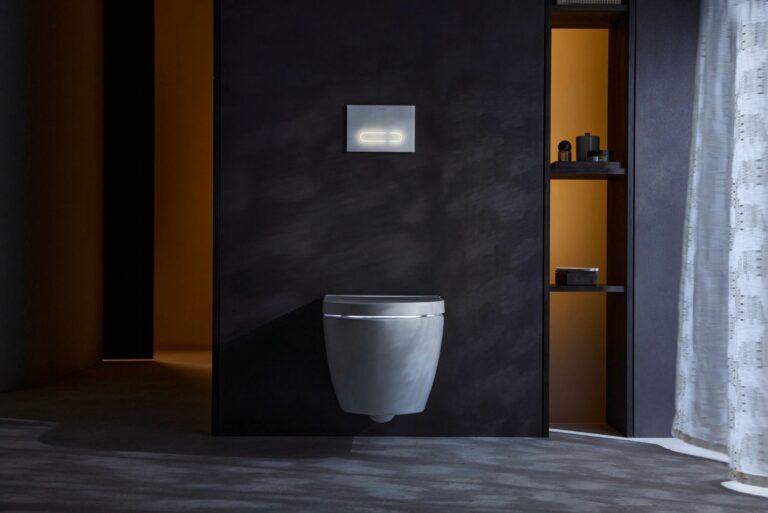
A shower-toilet combines toilet and bidet and cleanses by means of an electronically controlled water jet. The temperature, the intensity of the water jet and the shower position can be controlled conveniently by remote control or app. On the SensoWash® Starck f models from Duravit, the entire technology is integrated into the ceramic body, ensuring that the toilet retains its sleek, minimalist design despite the additional functions.

Details to enhance well-being

In addition to cleansing with water, many models offer additional features, such as automatic lid opening, odor extraction or seat heating to make the showertoilet a more comfortable and convenient part of the daily bathroom routine.

Duravit offers a comprehensive range of shower-toilets covering all design and convenience levels: from the modern entry-level model SensoWash® D‑Neo through the minimalist SensoWash® Classic to the premium-oriented SensoWash® Starck f line.

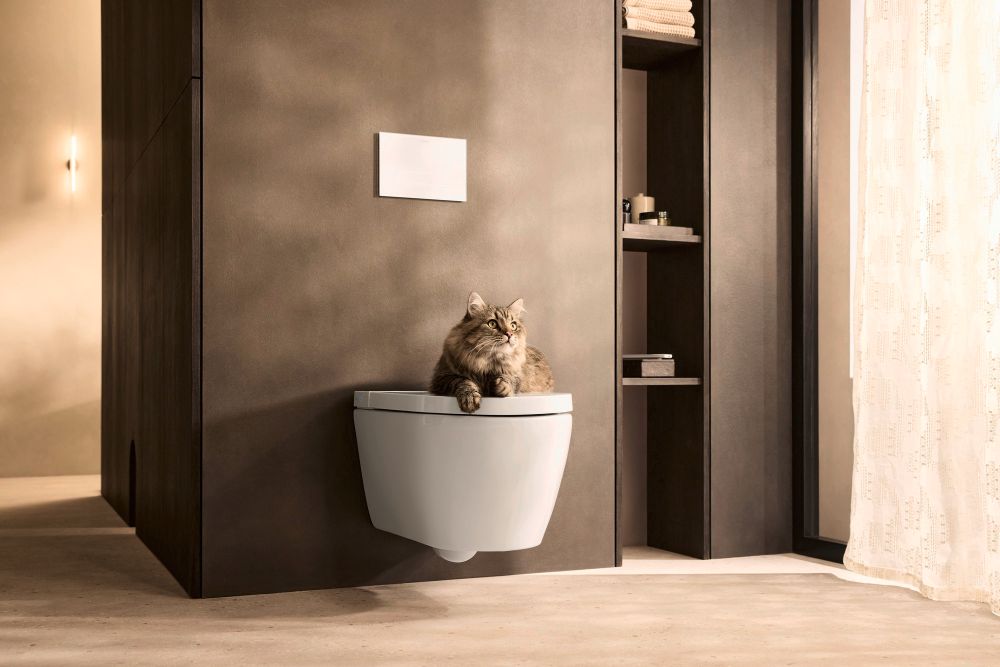
Duravit shower toilet with a cat

Clerkenwell Design Week has revealed the headline speakers for its 15th anniversary edition, with designer Michael Anastassiades, architect Níall McLaughlin and furniture designer Lara Bohinc confirmed for the festival’s flagship talks strand, Conversations at Clerkenwell.

Running from 19 to 21 May across EC1, London, CDW 2026 will host five talks programmes spanning architecture, interiors, lighting design and commercial spaces — but it is the Conversations at Clerkenwell series, housed in the historic setting of St Bartholomew the Great, that draws the biggest names.

Cypriot-born British designer Michael Anastassiades opens the series on Tuesday 19 May, in conversation about his celebrated lighting work, limited-edition collections and solo exhibitions at museums and galleries worldwide. On Wednesday 20 May, the spotlight falls on Níall McLaughlin — awarded the RIBA Royal Gold Medal 2026 — who will walk through a portfolio that has reshaped British architecture over three decades. Slovenian furniture designer Lara Bohinc closes the series on Thursday 21 May, reflecting on her approach to materials, her collaborations and new collections.

Curated by Katie Richardson and partnered this year with Dulux Trade, the programme runs at 11am each day in one-on-one interview format. Dulux Trade’s Creative Director Marianne Shillingford also hosts three sessions of her own on colour, AI and the science of paint.

Beyond Conversations at Clerkenwell, the festival’s four further talks programmes address neurodiversity in design, the future of luxury, lighting practice, and commercial interiors, with contributors including Dimorestudio, Paul Cocksedge, Tomás Alonso and Vienna Design Week director Gabriel Roland among those confirmed.

Clerkenwell Design Week 2026 runs 19–21 May across EC1, London. Registration is open at clerkenwelldesignweek.com.

Clerkenwell-Design-Speakers

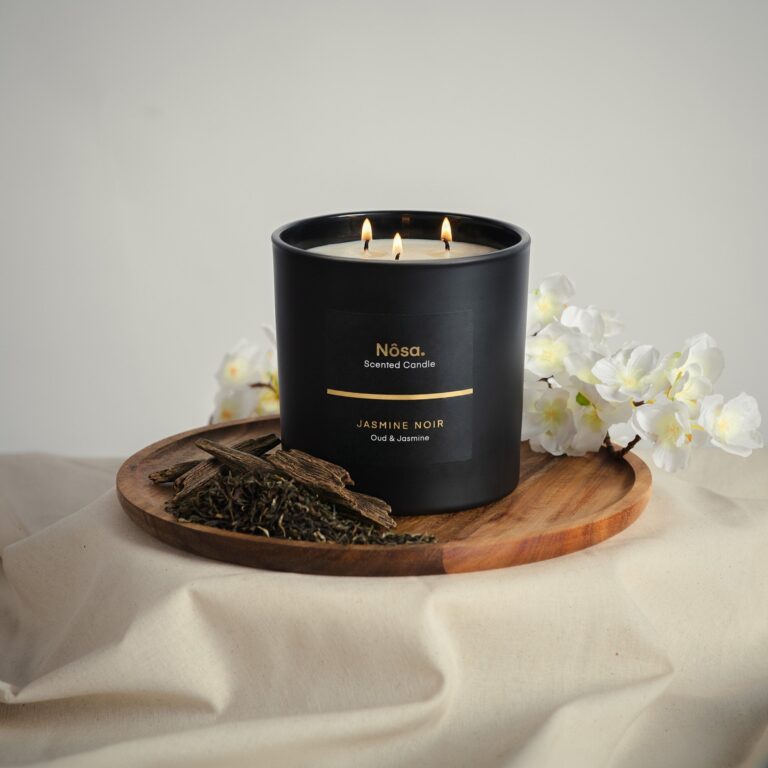
UK bathroom and interiors brand Nôsa has unveiled Sanctuary, a new lifestyle collection designed to bring the rituals of a five-star spa into the everyday home.

Drawing on the aesthetics of the world’s most serene wellness destinations, Nôsa Sanctuary extends the brand’s established repertoire of stone baths, sculptural vanity units and artisan tiles into bath textiles, home fragrance and body care – marking a considered step into the wider lifestyle market.

Textiles: the Grantley robe and Duchy towel collection

Anchoring the collection is the Grantley robe, crafted in plush velour with contrast piping in Nôsa’s signature shade. Designed to sit alongside the brand’s bathroom interiors, it brings hotel-level comfort into the domestic setting.

The Duchy towel collection completes the ensemble – woven in high-quality cotton with an embroidered Nôsa badge, and available from generously sized bath sheets down to face cloths. A coordinating cotton bathmat rounds out the spa-like set.

Fragrance: four signature scents developed with a renowned fragrance house

Developed in collaboration with an established fragrance house, Nôsa Sanctuary introduces four aromatherapy scents, each available across single and triple-wick candles, reed diffusers, hand and body wash, and matching lotions.

White Orchard (White Tea & Pear) – a tranquil, restorative blend positioned as the collection’s unwinding scent
Nocturne Bloom (Patchouli & Ylang Ylang) – a sophisticated floral designed to bring focus and clarity
Midnight Ember (Dark Amber & Sandalwood) – a warm, cocooning fragrance built around rich amber and smooth sandalwood Jasmine Noir (Oud & Jasmine) – an energising combination of sensual jasmine and deep oud

Candles are hand-poured in natural wax and housed in matte glass vessels. Prices start from £29 but with the body washes the full collection starts from £22.

Founded in 2024, Nôsa has built its reputation around European-inspired bathroom collections finished in honed marble, brushed brass and other premium materials. Sanctuary signals the brand’s expansion beyond the bathroom into a broader home wellness offer.

“With Nôsa Sanctuary, we wanted to create more than beautiful robes, towels and fragrances — we wanted to offer moments of retreat in everyday life,” said Neil Thompson, head of sales at Nôsa. “Every element, from the essential oils in our scents to the design of our packaging, has been carefully considered to bring indulgence, balance and timeless style into our customers’ homes.”

white-orchard-200ml-reed-diffuser-white-tea-pear-Nosa-bathroom-spa-range

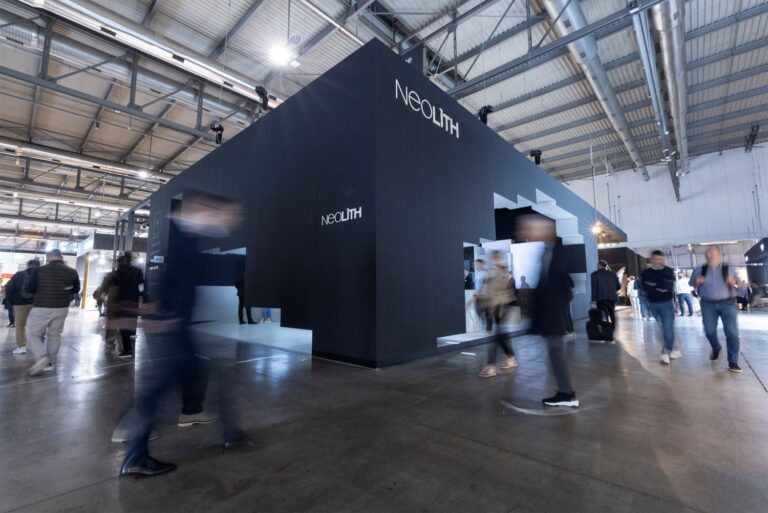
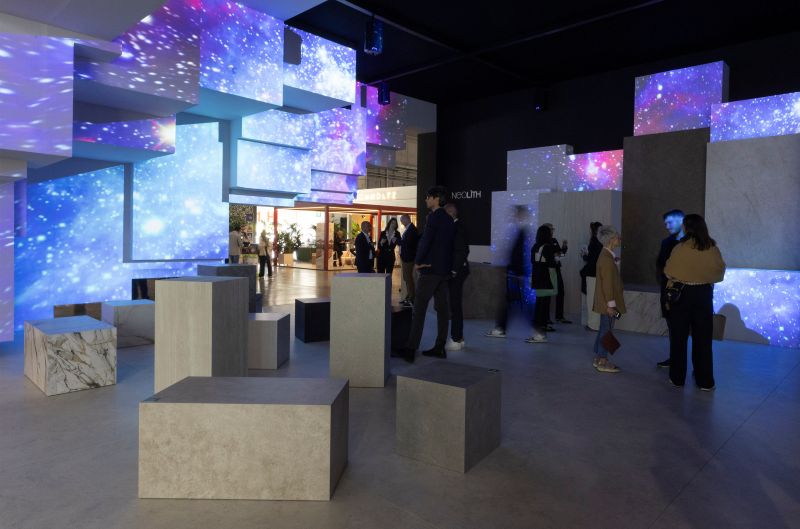
Neolith is presenting a striking installation at Salone del Mobile 2026 at Rho Fiera Milano, open until 26 April, positioning sintered stone as the starting point for form, space, and experience. The stand introduces the brand’s latest innovations in interior design and architecture, reinforcing its standing as a global leader in sintered stone surfaces through a material-led vision that connects innovation, design, and sustainability.

“Our presence at Salone del Mobile reaffirms Neolith’s philosophy, values, and commitment to an environmentally responsible production process, as well as the versatility of our sintered stone surfaces,” said Walter Ceglia, CEO of Neolith. “The continuous evolution of our offering is expressed through a space that highlights both the natural origin of the material and its ability to become architecture.”

A visually powerful staging

The stand is conceived as a fully immersive installation where volume, surface, light, and audiovisual elements combine to create a sensory environment that goes beyond product display. The result is an experience that frames sintered stone as a design language in its own right.

New for 2026, Neolith is launching the Neolith Architectural surface line – developed for large-scale cladding applications – alongside two new decors, Neolith Colosseo and Neolith Toscano. Both bring a timeless aesthetic to the sintered stone offer, expanding its application across interior design and architecture.

Neolith Urban Boutique, a new space to experience design

During Milano Design Week, Neolith reopens its Urban Boutique in Milan, fully reimagined to welcome architects, designers, clients, and design enthusiasts into an environment of exceptional beauty. The new concept, developed by designer Floriana Rinaldi, draws inspiration from a sophisticated Milanese apartment, blending timeless elegance, contemporary comfort, and everyday well-being, with Neolith materials featured across every surface.

“Feel the Space” defines the essence of the experiential journey. Upon entering, visitors are immersed in an atmosphere of warm tones and bold contrasts, where surfaces such as Neolith Rapolano and Neolith Amazonico shape walls and space with strong visual impact, inviting them to pause, observe, and engage their senses.

The project also features collaborations with leading brands that enrich the experience from different  areas of expertise: DOCA, specialising in high-end kitchen furniture; TPB Tech, focused on invisible induction solutions; and Vibia, an international reference in decorative lighting. Located at Piazza Santo Stefano 10, Milan, the Neolith Urban Boutique opens its doors during Salone del Mobile and Milano Design Week to offer a unique vision of design—meant to be touched, felt, and lived.

Neolith reinforces its brand universe during Milano Design Week

Beyond the main stand at Hall 1 – A12, Neolith extends its Milano Design Week presence across the city with two additional spaces. The Neolith Urban Boutique at Piazza Santo Stefano 10 reopens for the week, while the Neolith Center, the brand’s distribution hub and showroom in Rho, sits adjacent to the main exhibition venue. Together the three locations give architects, designers, and design enthusiasts multiple points of access to the brand across one of the most significant weeks in the global design calendar.

Neolith-Salone-del-Mobile

Discover the latest Neolith news www.neolith.com

British designer and distributor Abode  is shining a light on why materiality in design matters, as UK customers attach growing importance to material type, finish, application, performance, and appearance.

Leanne Stansfield, digital & marketing director at Abode, explains: “As the kitchen remains the most important room for investment in the home, end users go beyond surface appeal in pursuit of top-tier materials that stand up to modern life. From product design and manufacturing to material integrity, and how different surface treatments, finishes, and textures behave over time, there is huge value in offering products that inspire a deeper bond between the user and their home environment.”

In the wet zone specifically, end users have become far more design-aware as material innovations like PVD-coated steel and engineered granite go mainstream. Yet innovation is only valuable when properly understood. UK retailers are now expected to know the different types of materials and finishes on display in their showrooms  –  managing expectations, and informing customers on the virtues of improved durability, colour retention, reduced weight, and low-maintenance finishes with superior coatings. The sheer variety of materials available, combined with the wealth of online information, has led to homeowners making more informed product enquiries than ever before – and with that, a growing need for retailers, designers, and installers to help narrow down the options.

To help navigate this, Abode’s experts have shared a four-part guide for anyone wanting to take a material-driven design approach on their next kitchen project.

1. Box clever

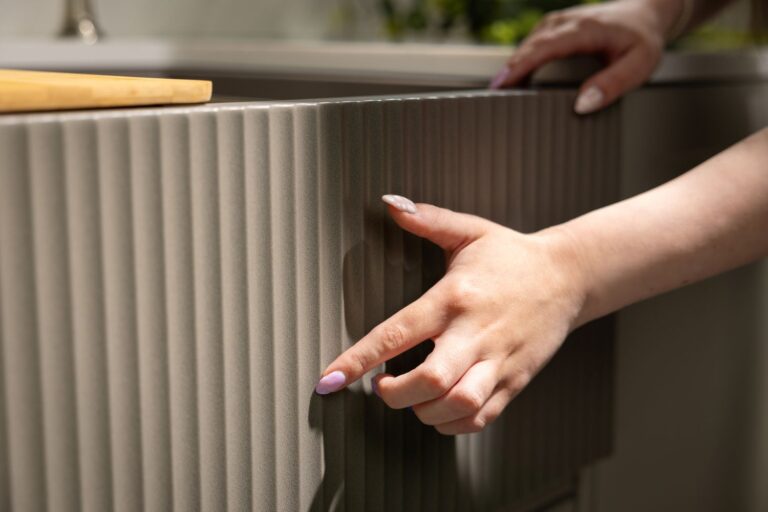
There is a direct correlation between a product’s material and its perceived value and style. From cost and aesthetics to durability and environmental impact, material selection is a prime opportunity to transform an initial design concept into a fully resolved kitchen space with tangible benefits. Now a superior alternative to natural stone, kitchen sinks made from composite granite and PVD steel are leading the way in terms of style and colour options,  allowing the sink to blend seamlessly with furniture, worktops, and brassware. Advanced surface treatments are simultaneously enhancing colours and finishes while helping to repel water, resist dirt, and minimise fingerprints for effortless cleaning and greater durability.

Global market data supports the shift: metallic design options accounted for over 50% of kitchen sink sales last year, with composite materials like granite commanding roughly a third of the market, a share set to grow further in 2026. As more prestige becomes associated with these materials in the luxury kitchen space, both consumers and designers are appreciating their tactile qualities and visual hierarchy. PVD coatings in particular are fast becoming a benchmark for durability when compared to traditional sink and tap finishes like chrome.

2. Manage expectations

Material selection is visually motivated, but the right look may not always be fit for purpose. Being clear and concise from the first enquiry is essential to avoid specifying high-maintenance or delicate materials that prioritise aesthetics over lasting performance. Providing accurate product information from the outset streamlines the design process and minimises costly mistakes. Whether using different materials to match or contrast with furniture, replicate real-world textures, establish atmosphere and mood, or simply extend the lifespan of everyday components like the sink, material choice is key to establishing a solid foundation in today’s hardworking wet zone.

3. Be honest

Popular materials and finishes may clinch a sale, but they also need to withstand daily life. Consumers expect a product to look the same after years of use as it did on day one — so it’s important to address questions around cleaning requirements, resistance to daily wear and tear, and performance under changes in temperature. Describe core features and benefits such as longevity, superior functionality, and improved sustainability clearly and confidently.

Be equally precise about colours, finishes, and tactile qualities. If a finish looks matt but feels smooth, or appears textured but is described as uniform, accuracy in language matters. Use product brochures, physical swatches, and samples to support the conversation — the look and feel of different materials will shift as they interact with different light sources, surface textures, and spatial contexts.

4. Look ahead

Synergy between furniture, sink, and taps has placed personalised design in its own style category. This heightened level of coordination is driving demand for sophisticated new-look materials that are perfectly streamlined across the kitchen. The ability to coordinate functional elements with the furniture is offering a fresh perspective on design classics — from painted Shaker and natural timber to Provincial schemes –  while pioneering surface treatments continue to transform both the form and function of today’s most in-demand kitchen sinks.

Stansfield concludes: “At Abode, we see material clarity not as a constraint but as a competitive advantage. We aim to support our retail partners with high-quality products that are precise, durable, and safety compliant, empower designers to realise their creative visions, and ultimately deliver better outcomes for anyone choosing our products in their home.”

For more information contact Abode: call 01226 283 434, email info@abodedesigns.co.uk or visit abodedesigns.co.uk

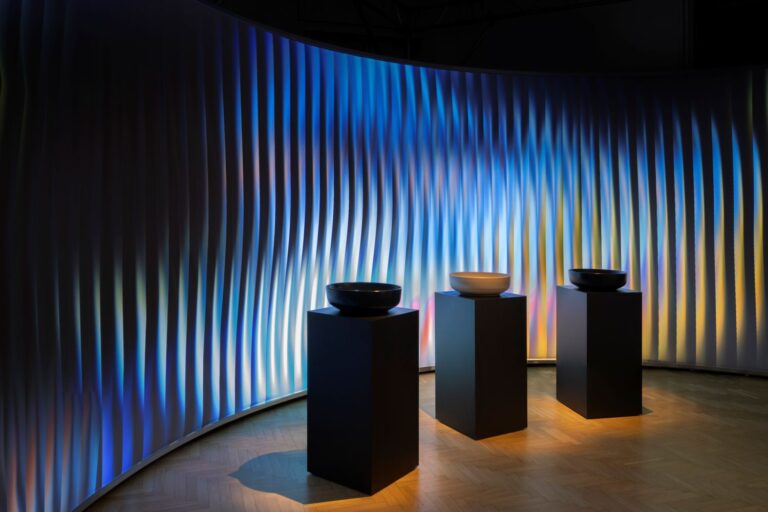
At Milan Design Week 2026, Villeroy & Boch and Ideal Standard present Design Continuum, an immersive installation developed in collaboration with Studio Elastique. Conceived as a platform for dialogue, the installation explores how design shapes perception and influences our senses – inviting the international design community to rethink the future of the bathroom.  

Bringing together two brands renowned for design excellence and innovation, the exhibition reflects a shared ambition: to think of the bathroom not as a static room defined by function, but as a space that evolves through the interplay of materials, technology, and human interaction. 

Design Continuum translates this idea into a spatial narrative. Across five interconnected environments, the installation explores different dimensions of design – from material innovation and timeless form to perception, interaction and craft. Light, projection, texture and scent transform the brands’ joint showroom into an experimental setting, shaping how each space is experienced, and expressing a shared design approach that brings together heritage and innovation. 

The exhibition showcases a series of novelties developed at the brands’ German innovation centres dedicated to ceramics and fittings – from a 3D-printed ceramic study using 100% internally recycled material with Antao 3D, to surface approaches like the reactive glazing of Antao Earth or the haptic relief structure of Artis Sense. Timeless designs like Atelier Collections can be discovered alongside next generation tap technology with Vea. These innovations are brought to life in collaboration with leading designers including Ludovica Serafini and Roberto Palomba, Christian Haas, Design Studio KASCHKASCH and Gesa Hansen. 

“With more than 400 years of combined design heritage, Villeroy & Boch and Ideal Standard have always been at the forefront of developing new materials, technologies and ideas. Design Continuum allows us to show how we carry this spirit forward – bringing together Villeroy & Boch’s strength in elegant, consumer-centric design with Ideal Standard’s architectural clarity and timeless form, alongside our joint expertise in innovation across our key bathroom categories. 

In doing so, we translate our expertise into products that go beyond function, shaping experiences, enhancing wellbeing and bringing something special into every day,” says Sven Ullrich, executive VP marketing/ R&D/ product management at Villeroy & Boch.